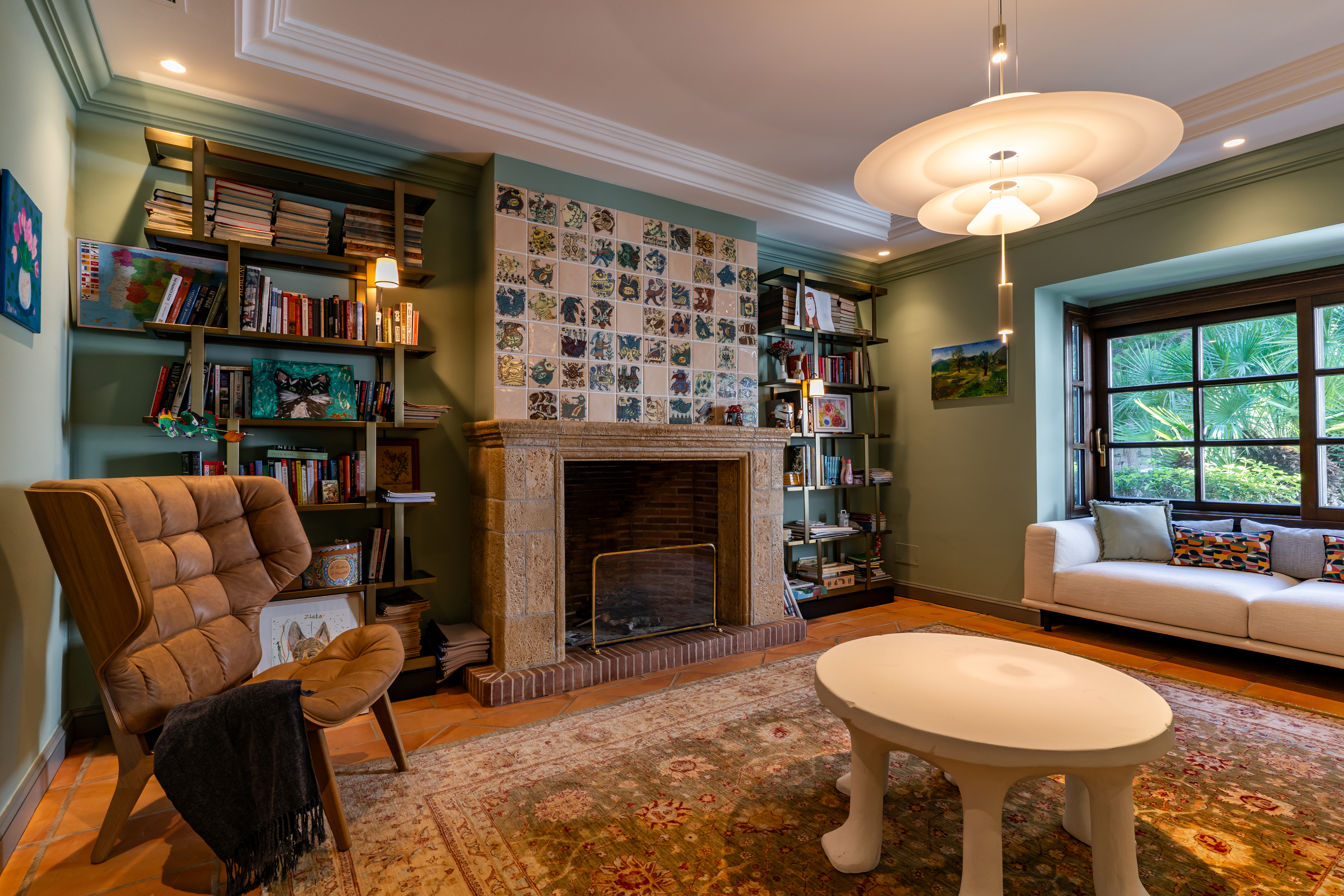
Shaping the Urban Landscape
Modern architecture has transformed cities worldwide, redefining skylines with innovative materials, sleek designs, and functional spaces. From towering glass skyscrapers to minimal residential homes, it blends aesthetics with purpose, creating structures that adapt to contemporary needs.
Beyond aesthetics, modern architecture places an emphasis on sustainability and human experience. Open concept designs, natural light, and seamless indoor-outdoor transitions create environments that feel connected, calm, and intentional.
Public spaces also benefit from contemporary architectural thinking. Parks, cultural centres, and mixed-use developments are designed to encourage interaction while maintaining visual harmony and environmental responsibility.
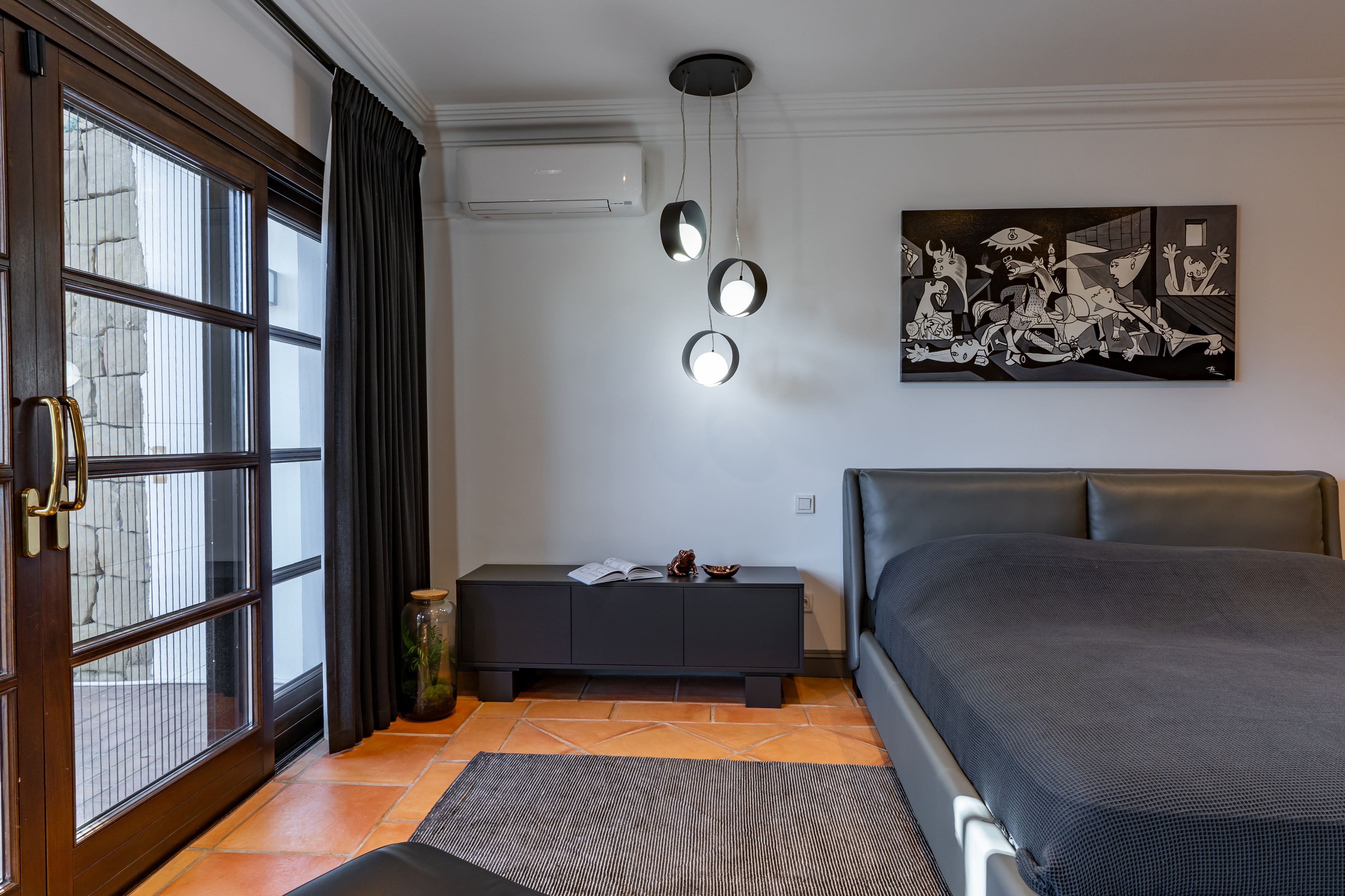
Innovation and Sustainability
Technology plays a central role in contemporary design. Architects now use advanced visualisation tools, sustainable materials, and energy-efficient systems to reduce environmental impact while improving quality of life.
Sustainability is no longer optional — it is integrated into every stage of the process. Smart systems, passive cooling, and eco-friendly finishes create homes that are both visually refined and environmentally responsible.
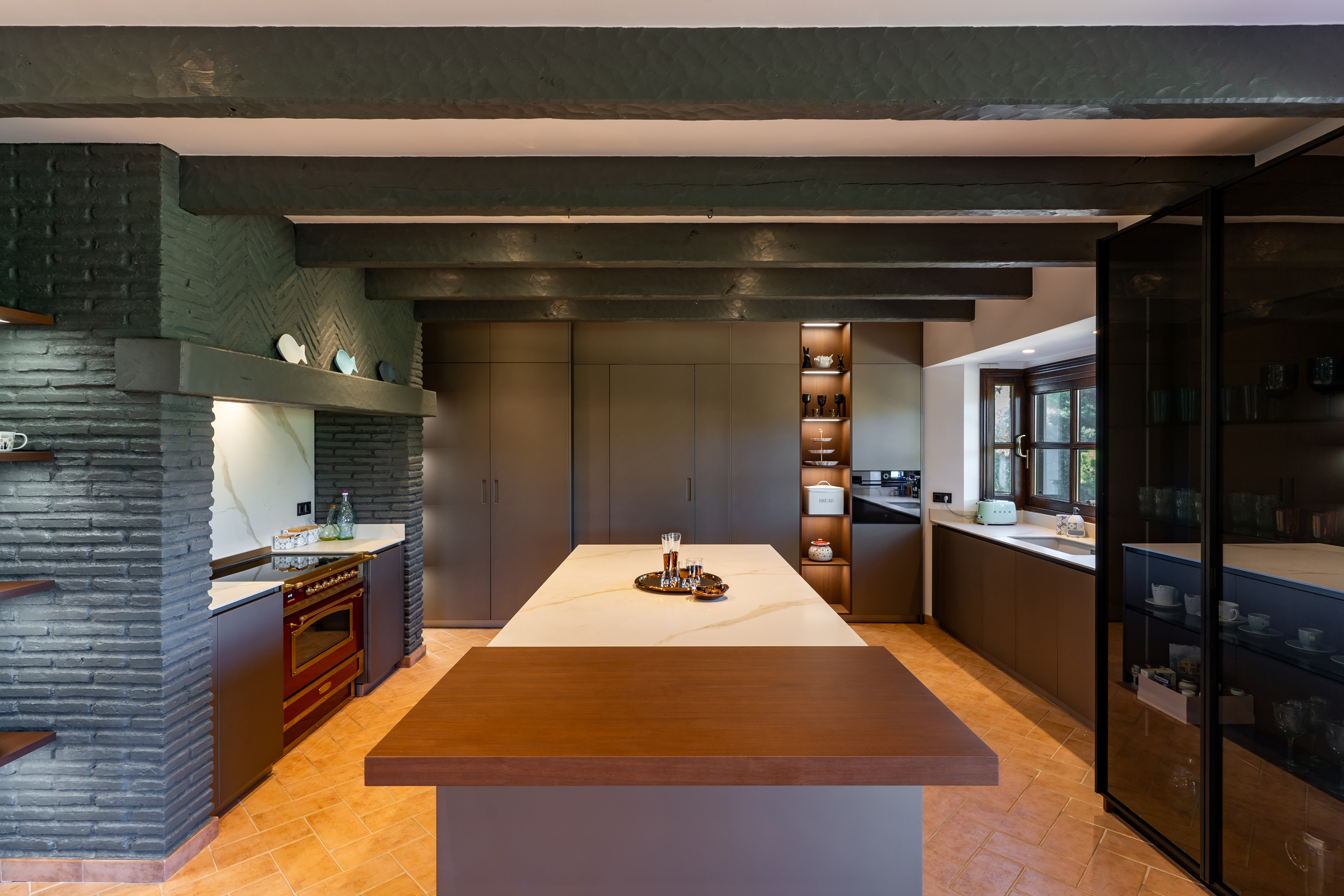
Cultural and Social Impact
Architecture is more than just buildings—it reflects culture, values, and societal progress. Modern architecture challenges traditional norms, embracing inclusivity and diversity in design. Spaces are created to be accessible to all, regardless of physical ability, ensuring that architecture serves communities rather than excluding them.
The movement towards modular and affordable housing also stems from modern architectural principles. As cities struggle with housing shortages, architects develop innovative solutions like micro-apartments, prefabricated homes, and adaptable living spaces. These approaches make high-quality, design-forward housing more accessible to people across different economic backgrounds.
Ultimately, modern architecture influences how people experience the world. It shapes our homes, workplaces, and public spaces, balancing function with beauty. As it continues to evolve, its role in creating sustainable, inclusive, and inspiring environments will remain essential in shaping the future of our built world.